ISA Certified Arborist, Tree Risk Assessment Qualified® WE-14234A
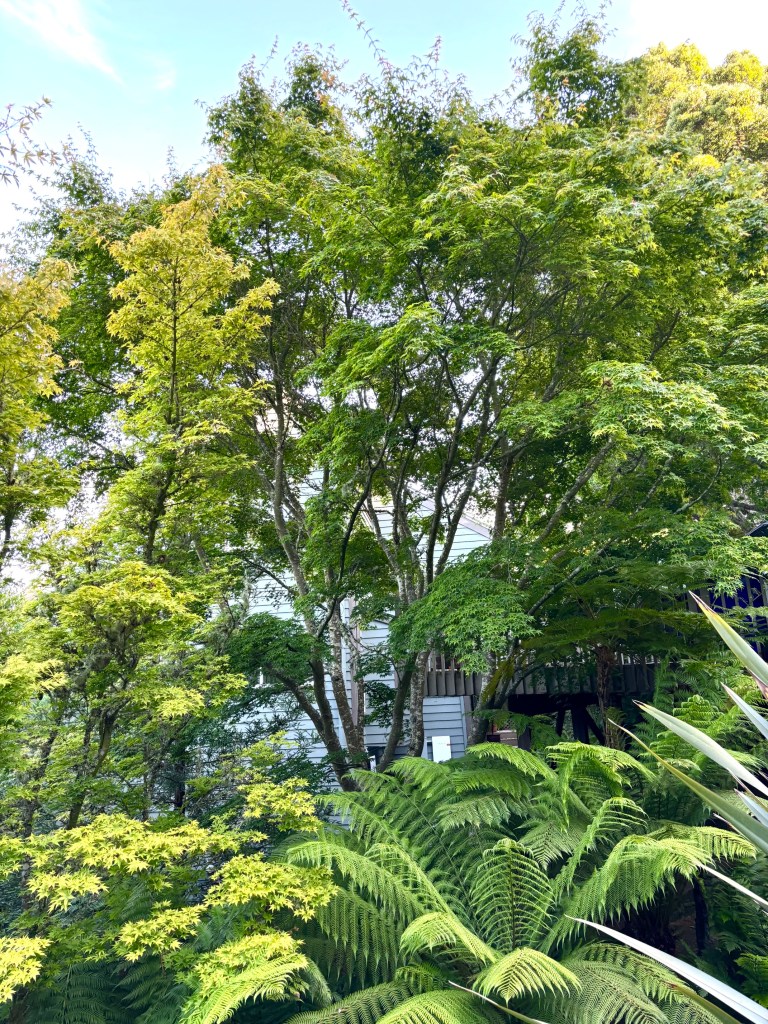
Before: Two large Japanese maples (center, foreground left)
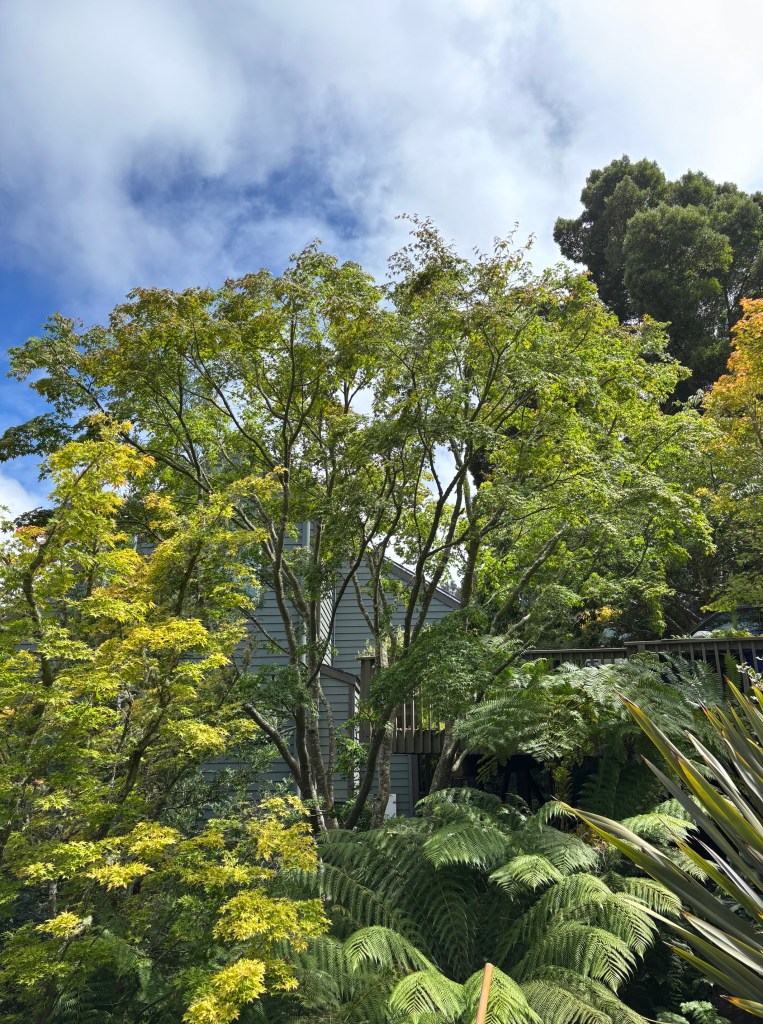
After: Full canopy reduction and pruning for aesthetics
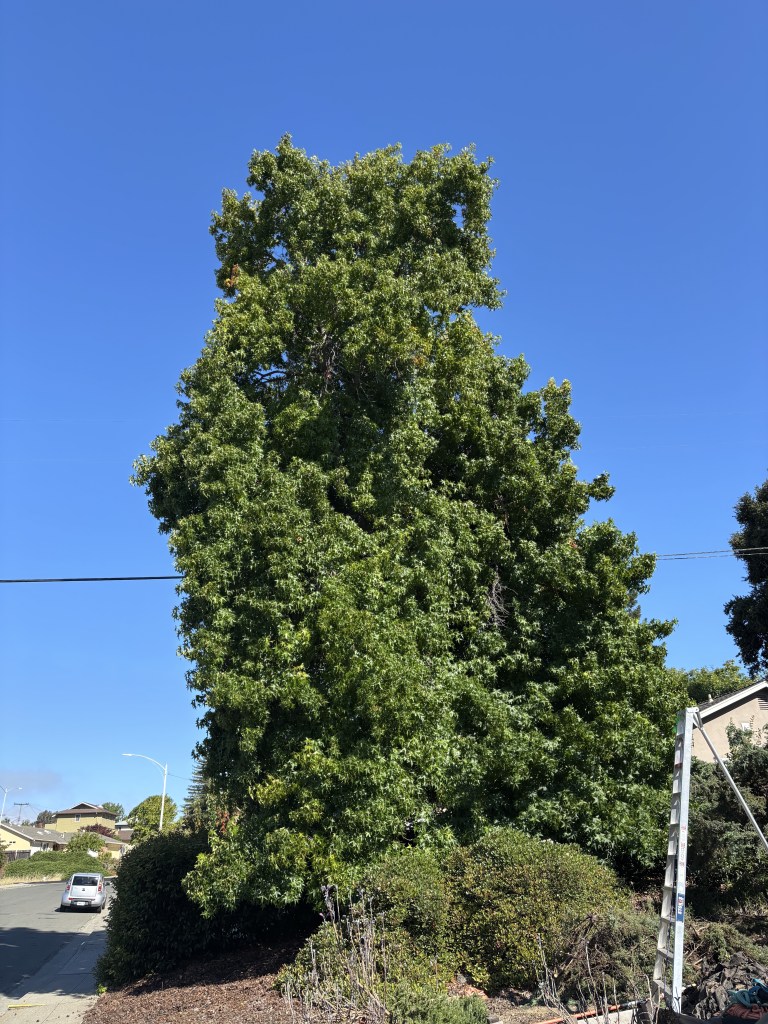
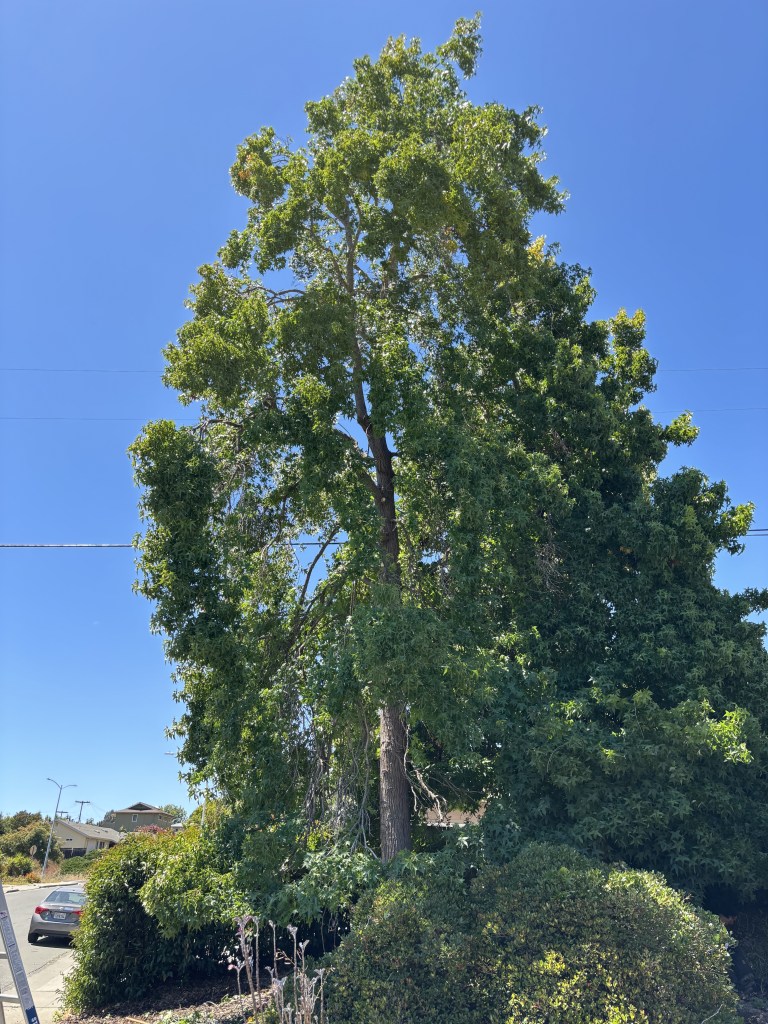
Before: Liquidambar tree identified for utility vegetation management “pruning.” Client preferred to have private arborist prune tree
After: Full canopy reduction and appropriate clearance from utility lines
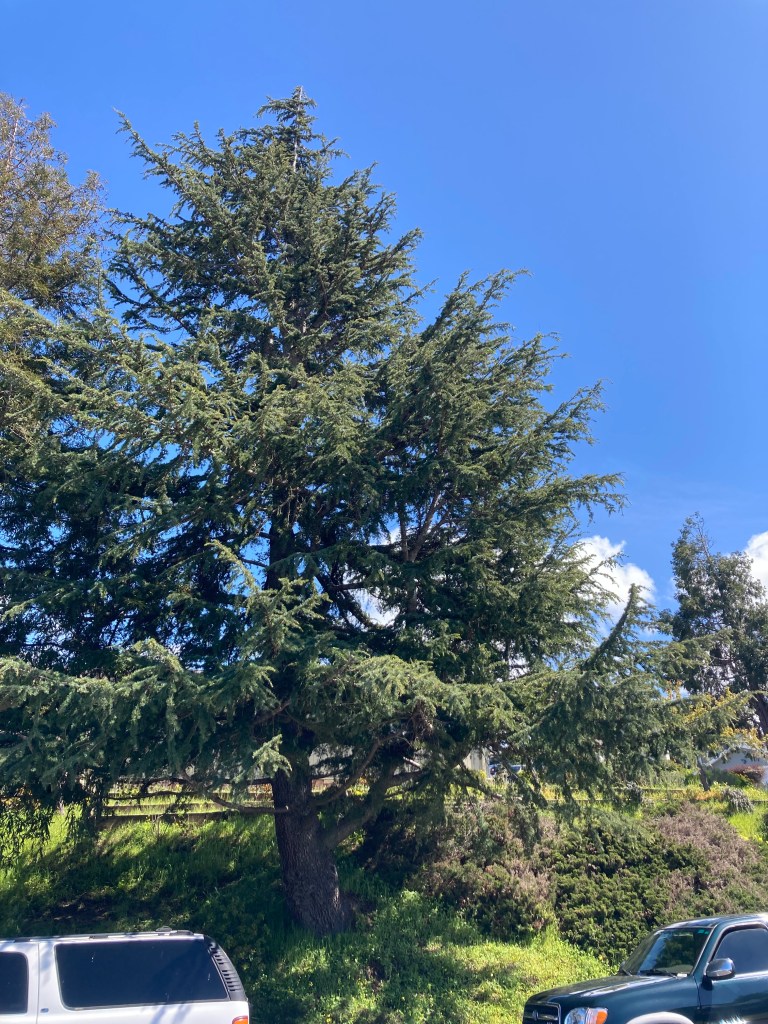
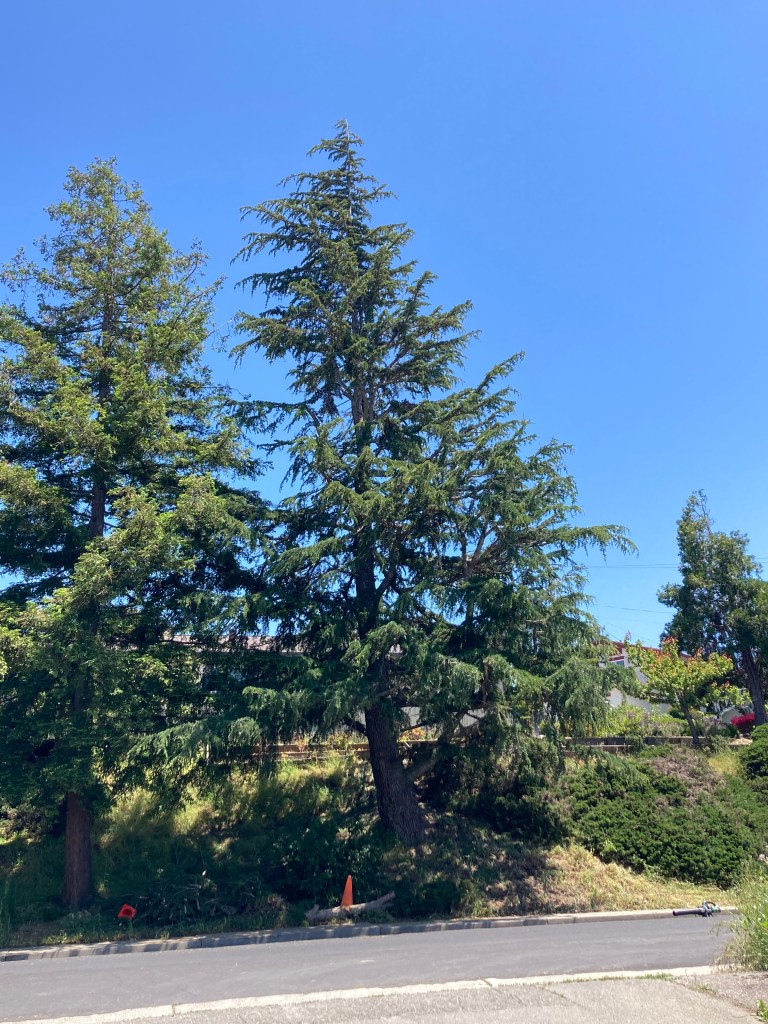
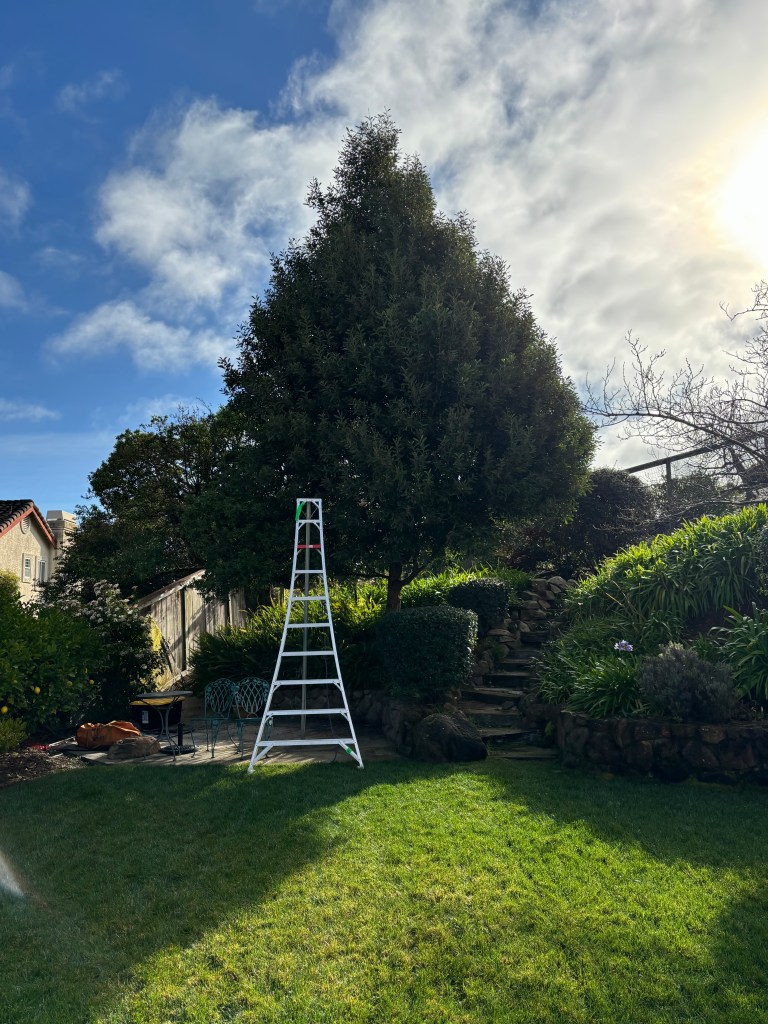
Before: Deodora Cedar had been shedding overweighted limbs during high winds
After: Structural pruning for safety and aesthetics
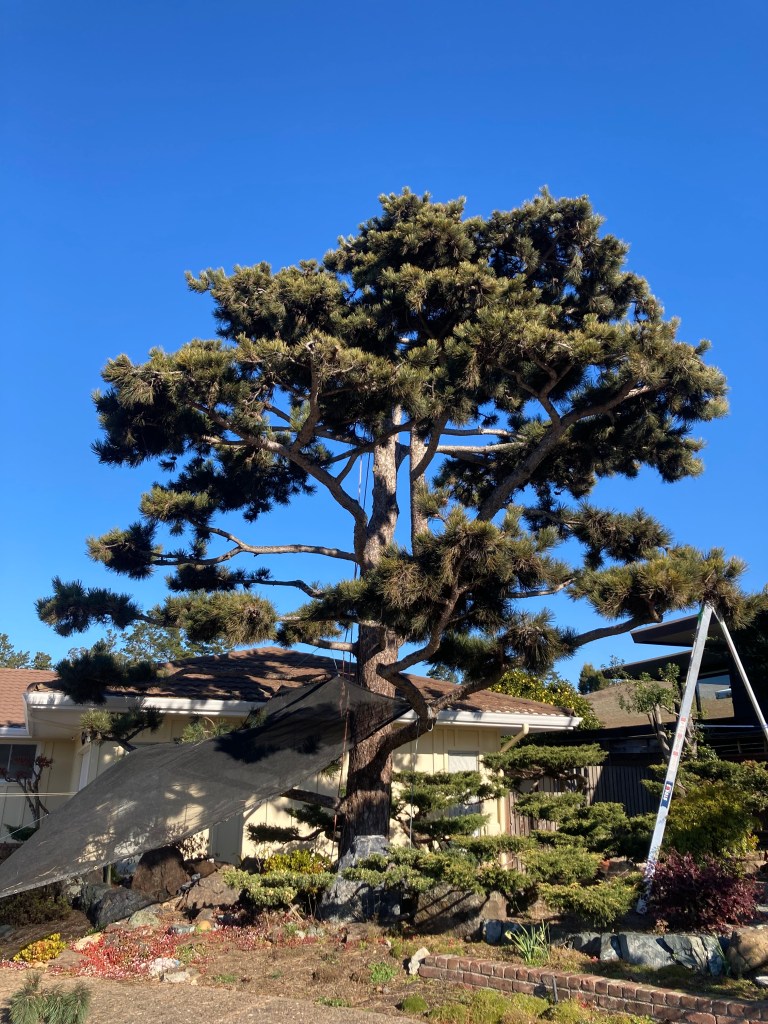
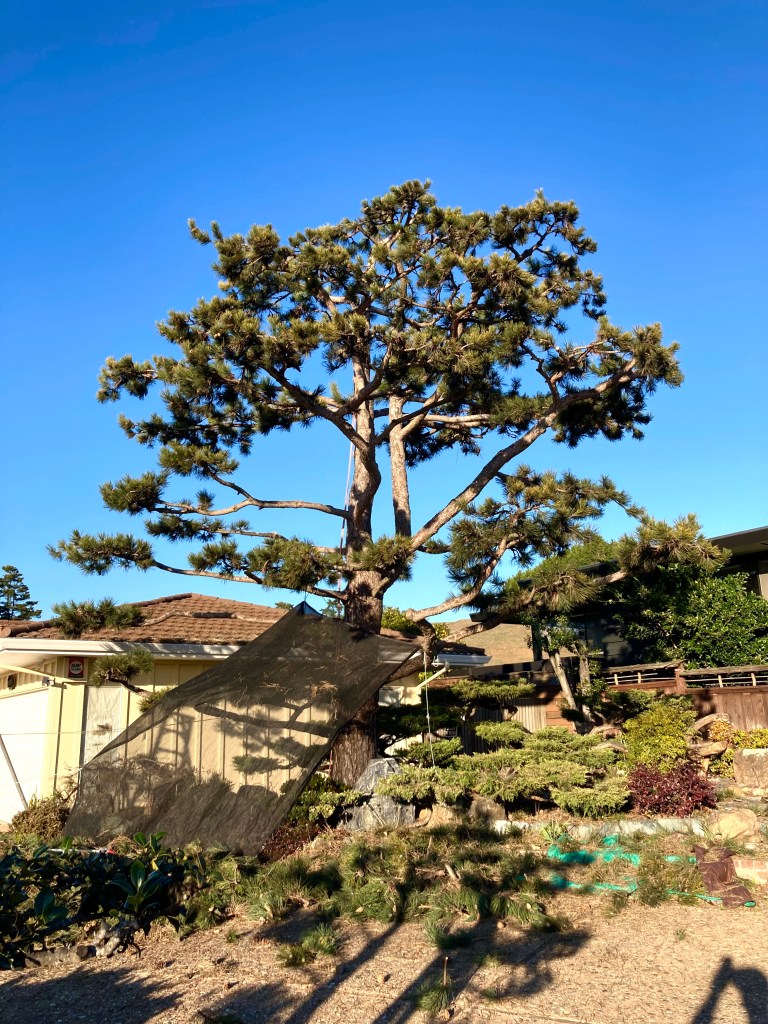
Before: Japanese Black pine (species?) previously topped and “lions-tailed”
After: End-weight reduction and pruning for aesthetics.
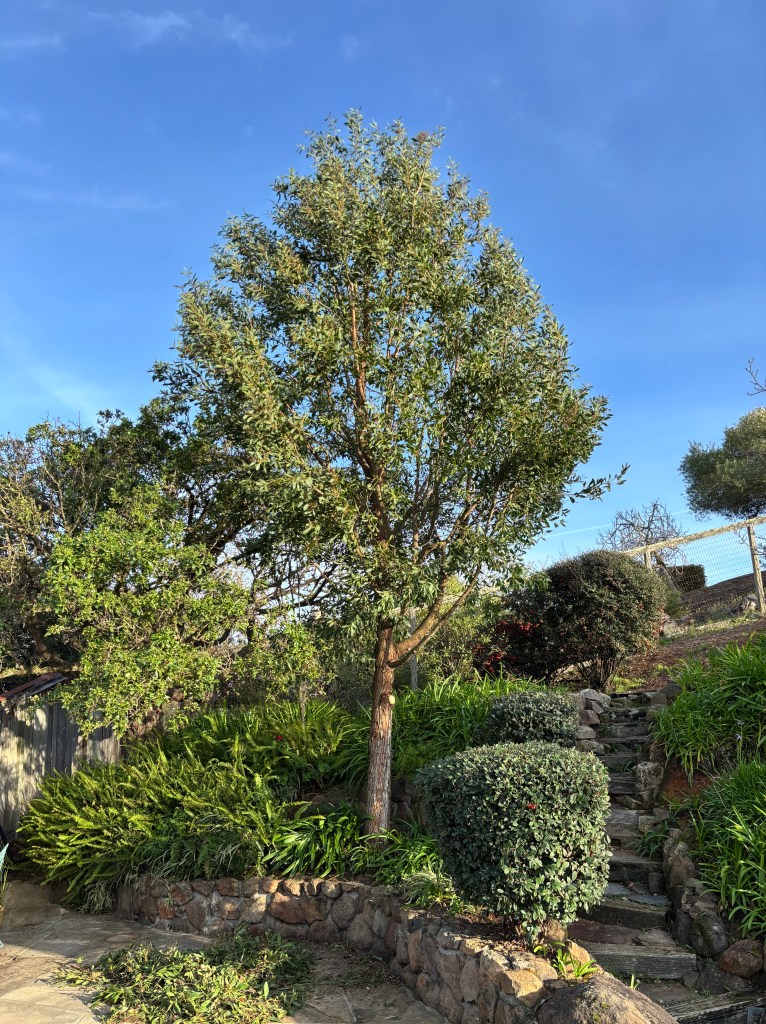
Before: Specimen Acacia tree with dense canopy
After: Canopy reduction and pruning for aesthetics
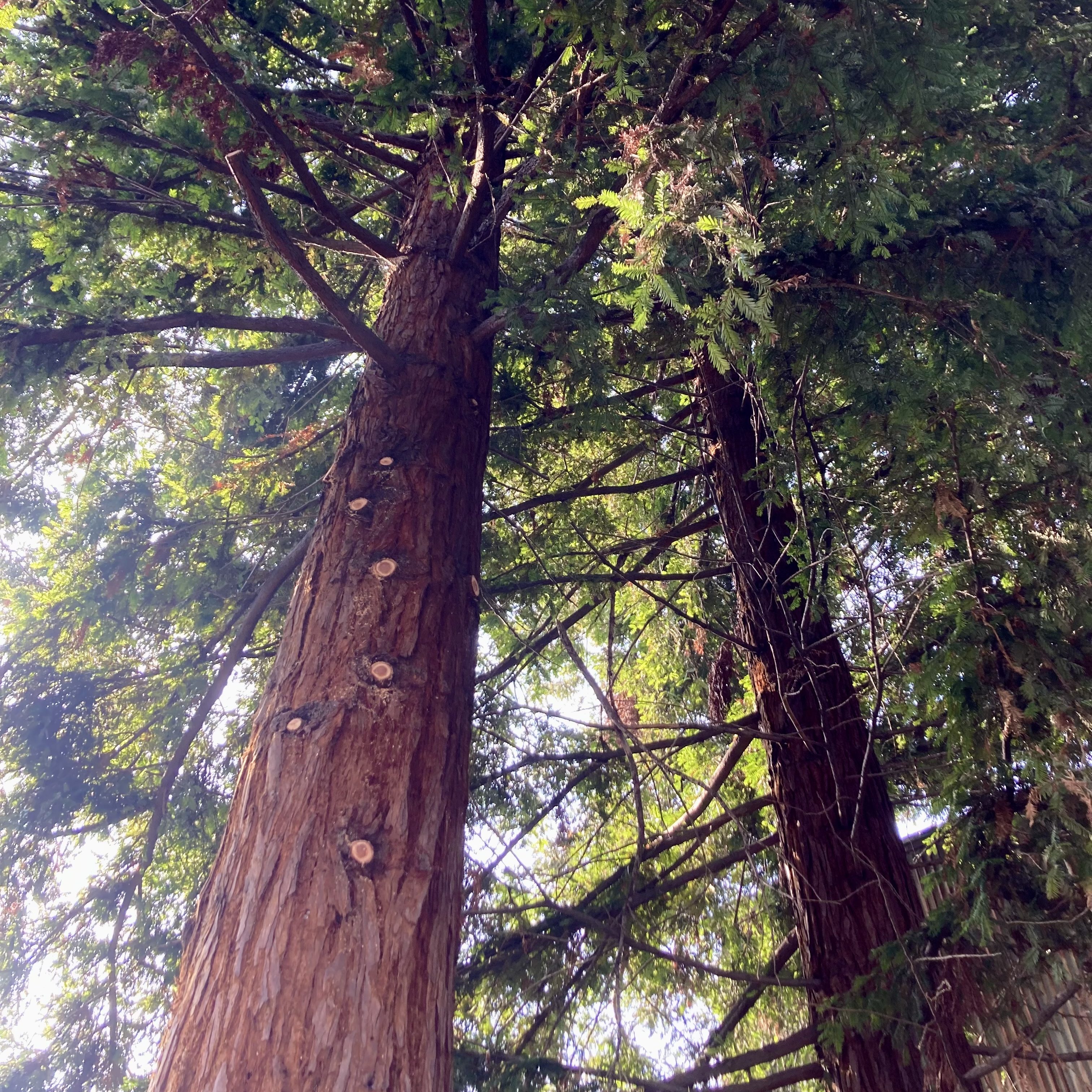
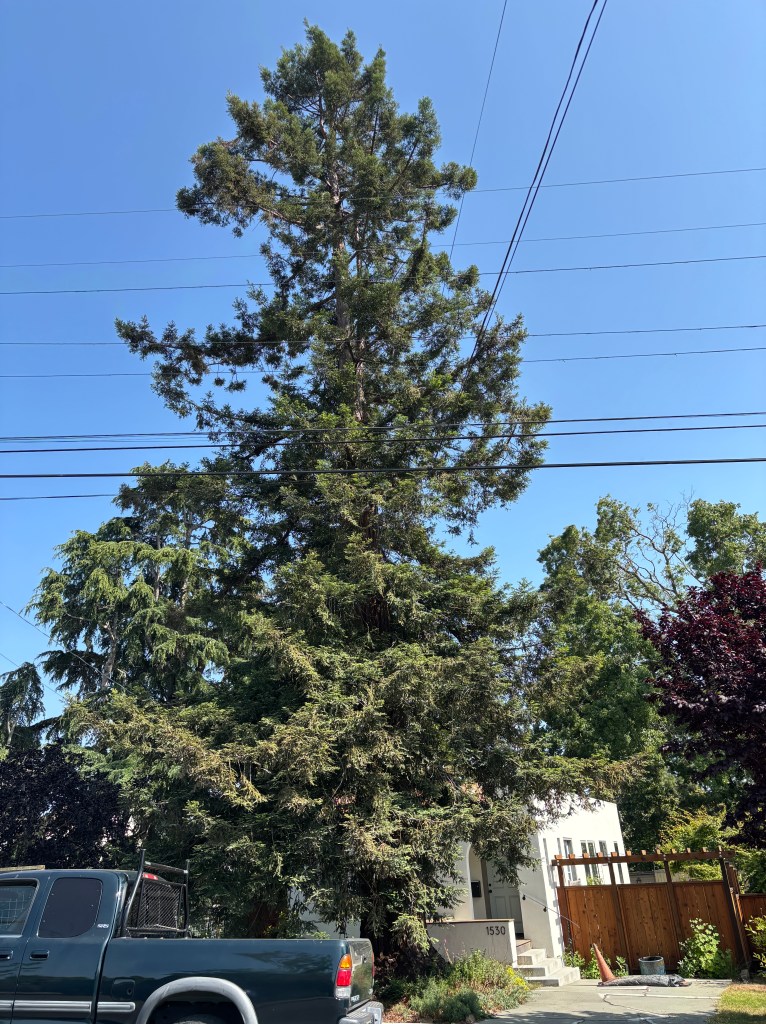
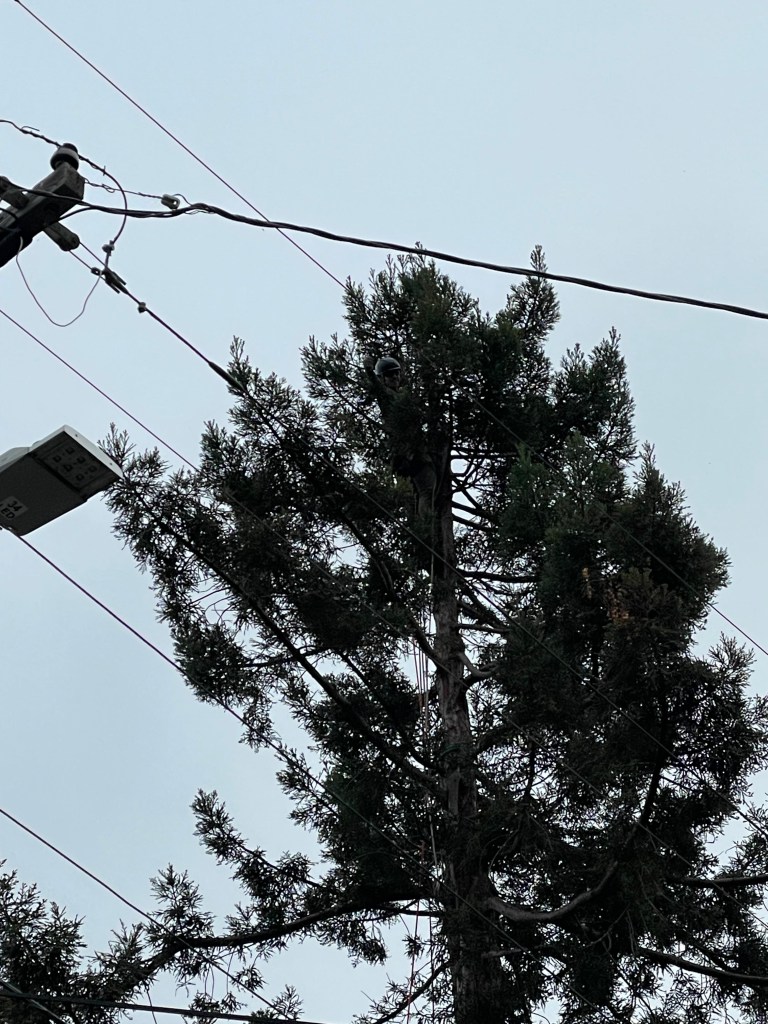
Before: Coast redwood with co-dominant leaders
During: Reducing secondary leader by approximately 25% to direct energy to primary leader and prevent safety issues during high winds
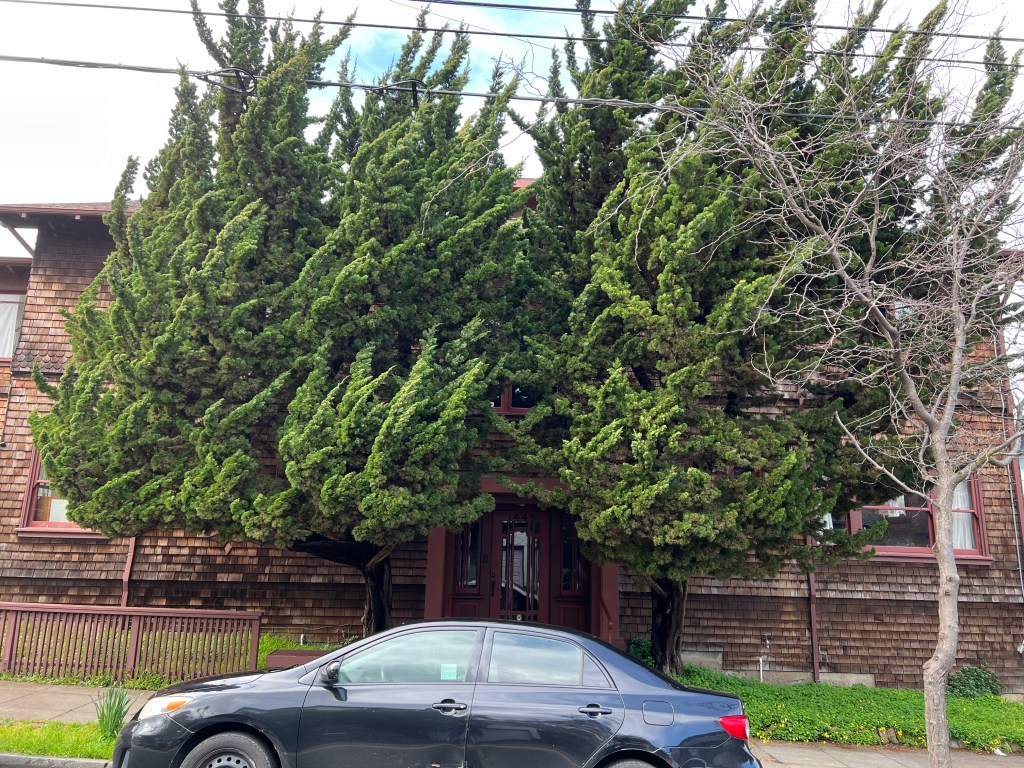
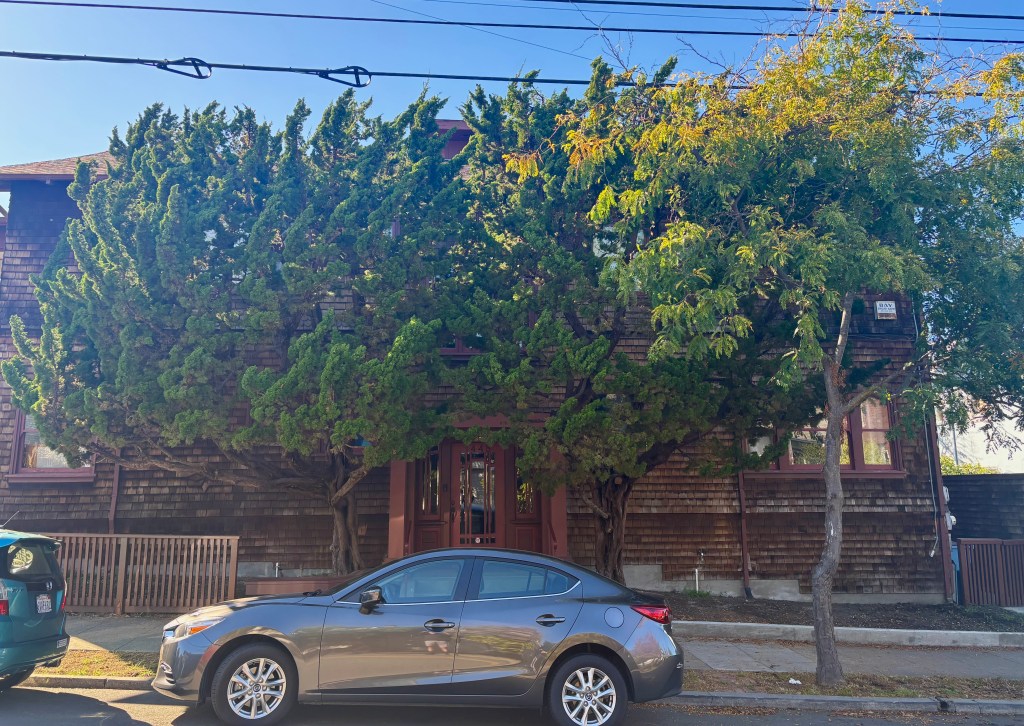
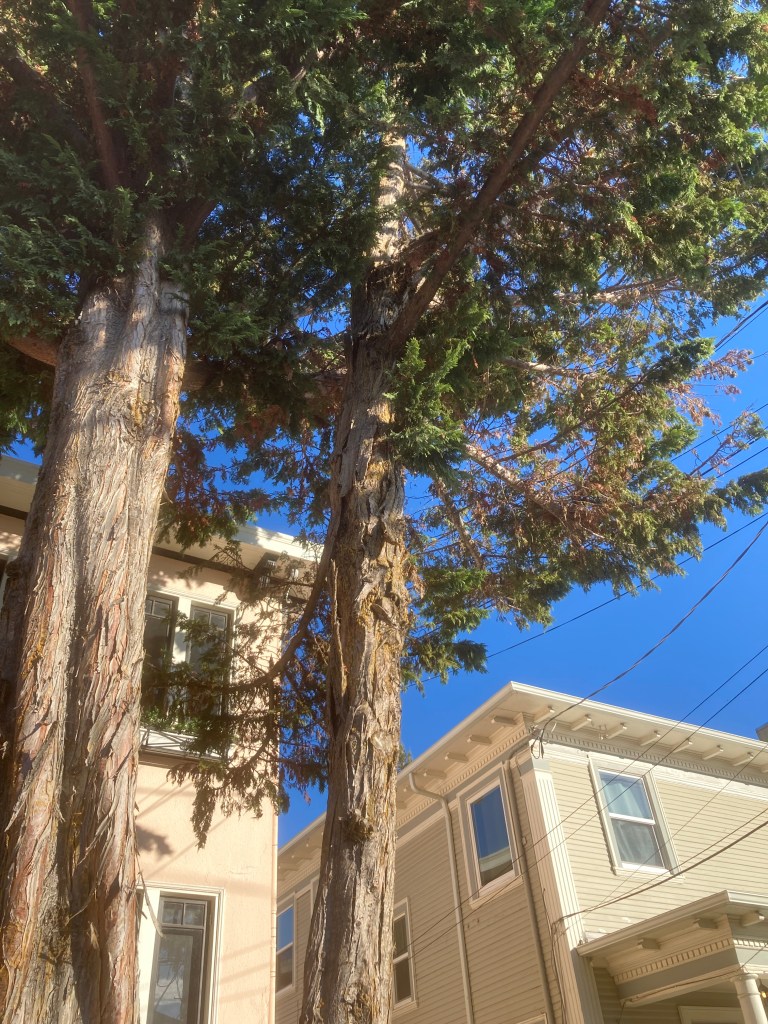
Before: Two Junipers overtaking apartment building and communication wiresAfter: Significant reduction and aesthetic pruning. Collaboration with Aesthetic Pruner Jason Welsh.
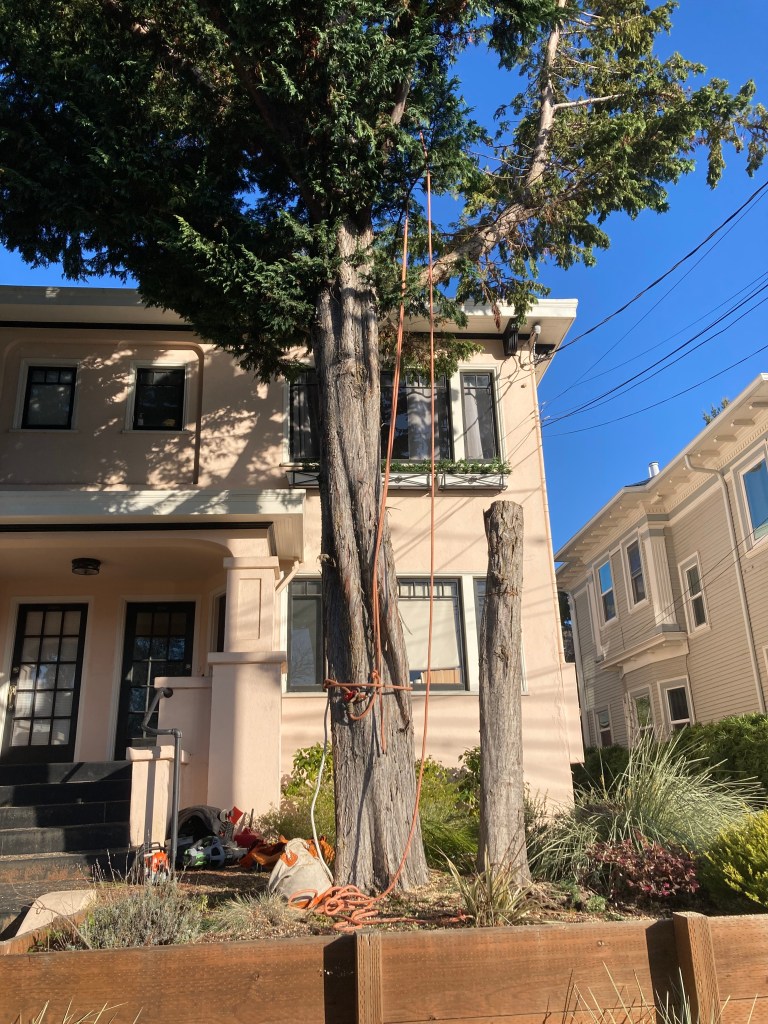
Before: Leyland cypress diagnosed with canker disease and significantly weakened
After: Tree removed for safety and to prevent spread of disease (trunk was then cut to the ground)
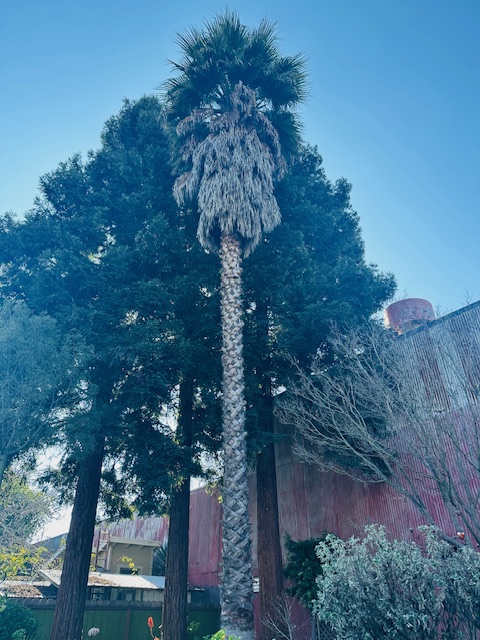
Before: Fan palm with three years of dead fronds
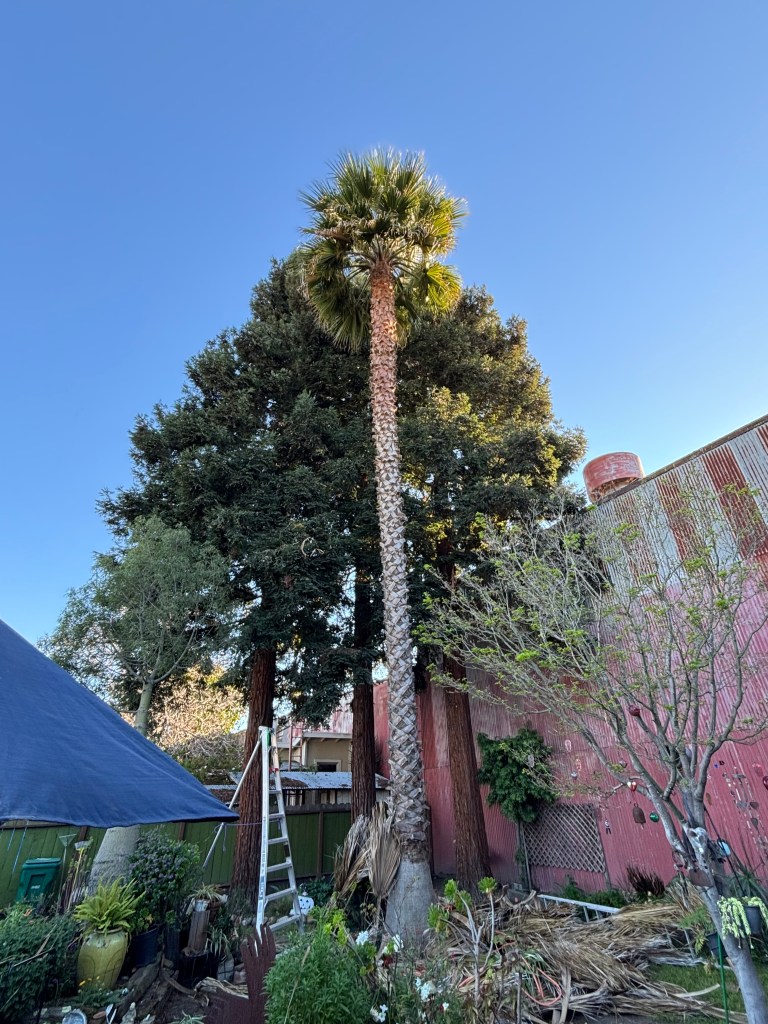
After: Fronds removed
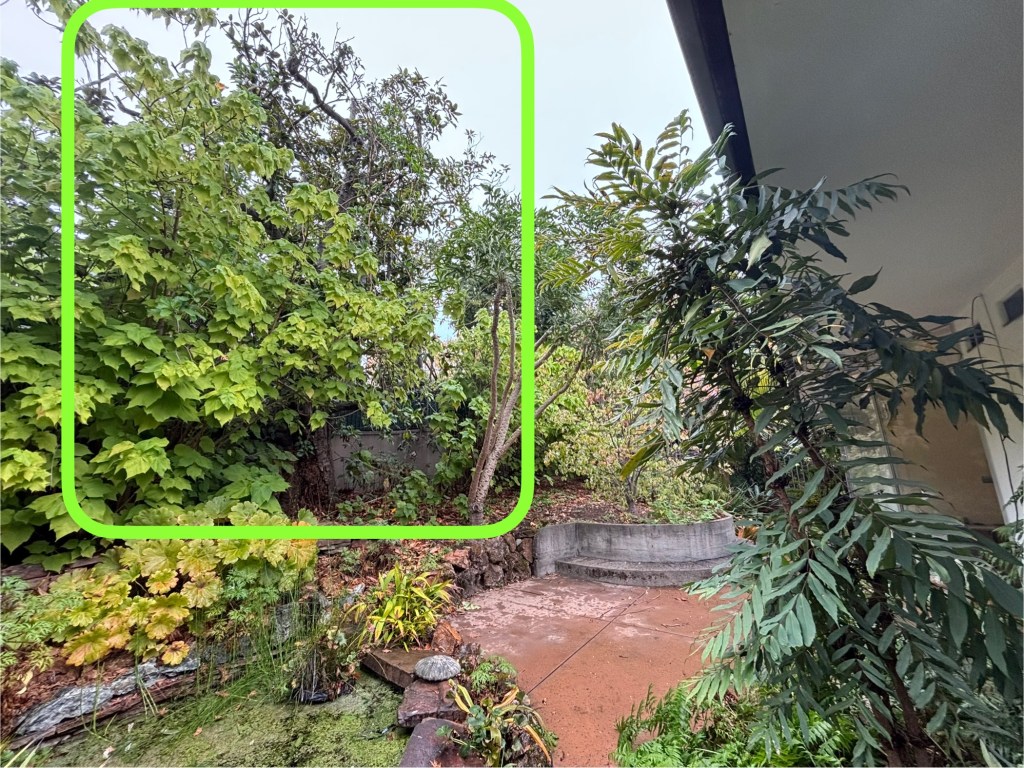
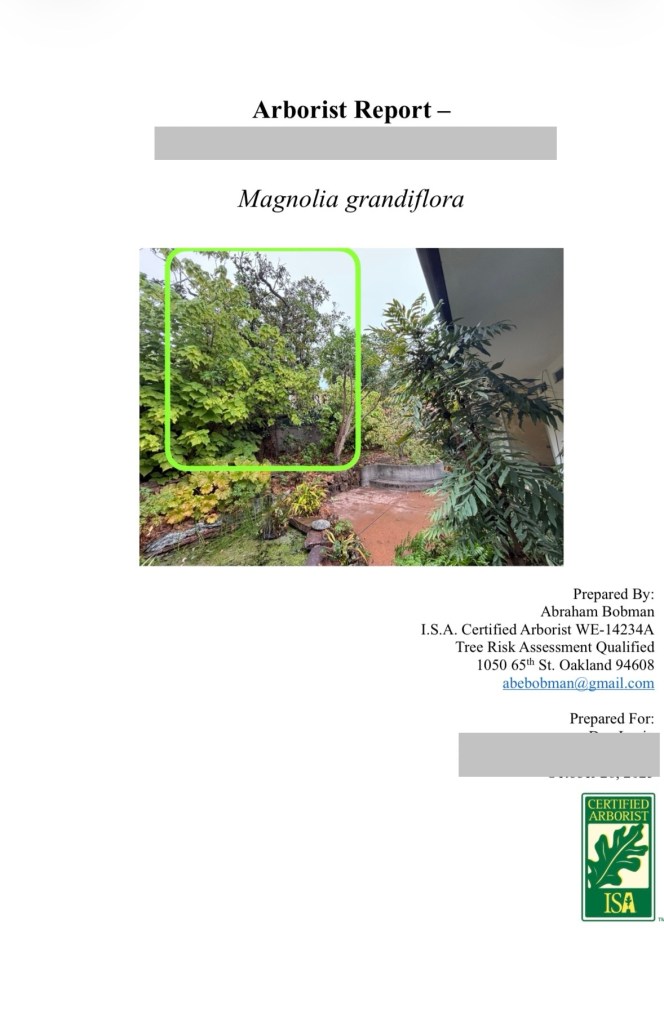
Homeowner concerned about neighboring Magnolia tree with obvious decay
An arborist report with risk assessment can be useful for communication between two parties, for development projects, or for managing overall concerns about tree health or risk.